

Property insights for Borivali, Kandivali & Malad
Practical home buying tips and local market notes for Borivali, Kandivali and Malad, written by people who work here every day.

IGR Maharashtra: what it is and how to actually use it
IGR Maharashtra is the Department of Registration and Stamps, the state body that registers property documents and collects stamp duty. Its website is where you value a property for stamp duty, search registered documents, book a registration appointment, register a rent agreement and download certified copies. Almost every property transaction in the state passes through it.

Encumbrance certificate: what it proves, and what it does not
An encumbrance certificate lists the transactions registered against a property over a stated period, so it is used to show there is no registered mortgage or charge on it. It shows only what was registered. An unregistered claim, an oral tenancy or a family dispute will not appear, so a clear certificate is necessary but never sufficient.

BMC property tax: how it is calculated, and whether you are exempt
BMC property tax is charged on capital value, not rateable value. Capital value is the ready reckoner rate for the area multiplied by the carpet area and by weights for construction type, age and use. Residential flats with a carpet area of 500 sq ft or less have been fully exempt since 1 January 2022.
Occupancy certificate: why taking possession without one is a mistake
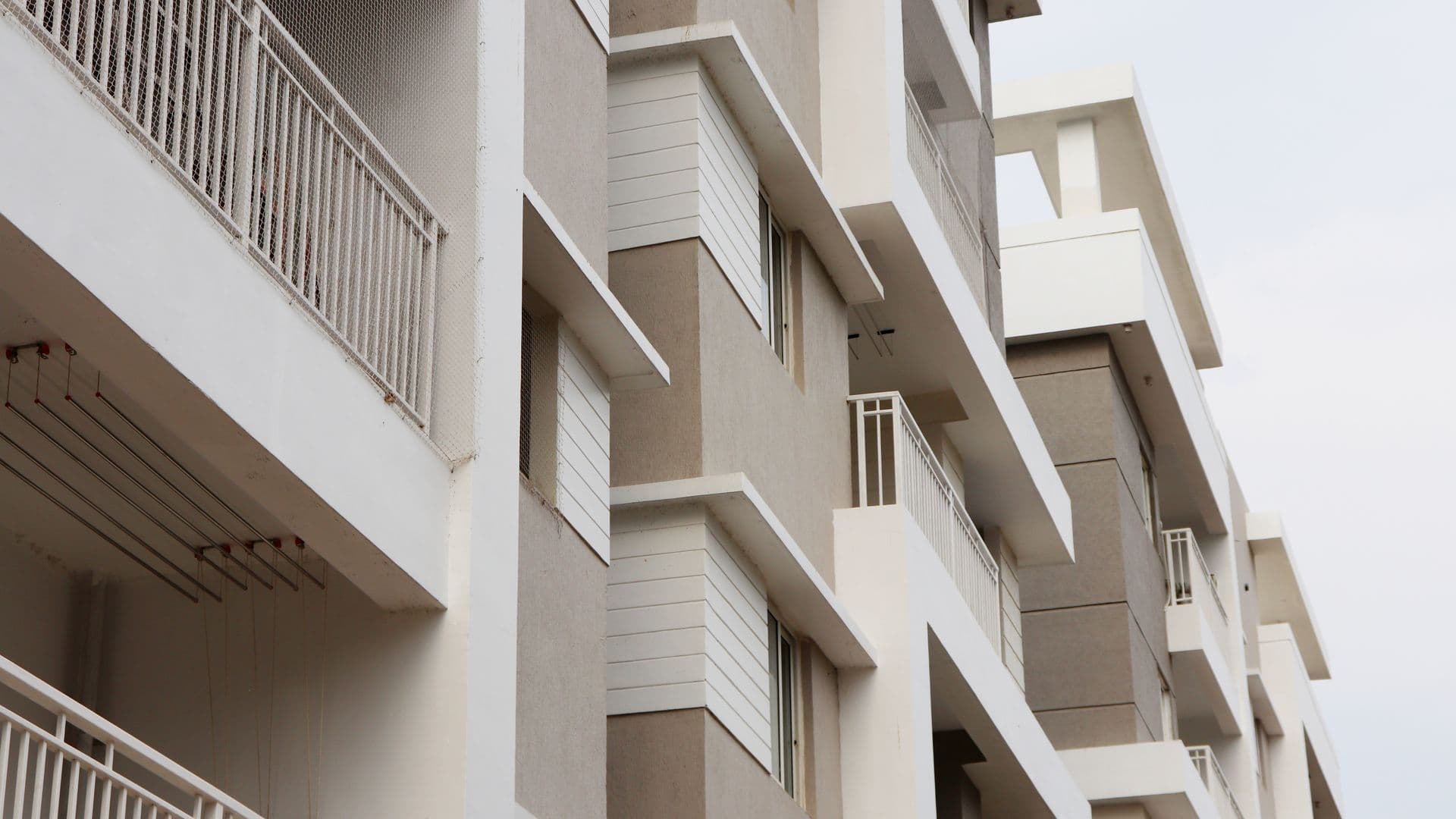
An occupancy certificate is issued by the local authority confirming a building is complete and fit to live in. Without one a building is not legally cleared for occupation, permanent water and electricity connections are usually withheld, lenders can hold back the final loan tranche, and a future buyer will struggle to finance the purchase.
What a sale deed actually contains, clause by clause
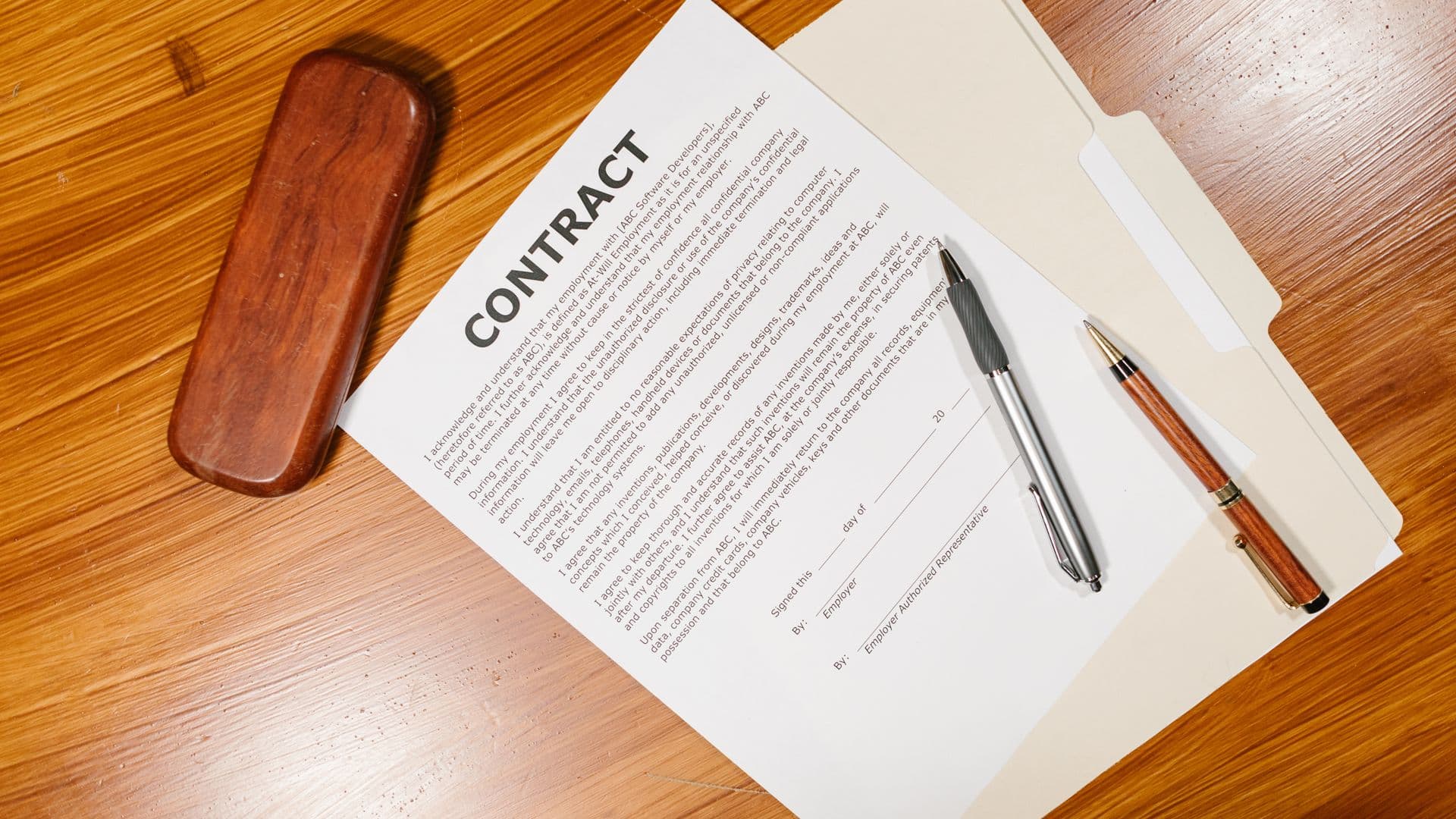
A sale deed is the document that transfers ownership of a property. It records the parties, the property, the price, the fact that payment was made, and the transfer of title and possession. Without a duly stamped and registered deed of conveyance, no right or interest in immovable property passes at all, however much has been paid.

Conveyance and deemed conveyance for a Mumbai society
Conveyance transfers ownership of the land and building from the developer to the housing society. Under the MOFA rules the promoter should convey within four months of the society being registered. Where that does not happen, the society can apply to the District Deputy Registrar as competent authority for a unilateral deemed conveyance, without the developer's signature.

Mutation of property: what it is, and what it is not
Mutation updates the local authority's records to show you as the person liable for the property, so tax is billed in your name. It does not create or prove ownership. The courts have repeatedly held that revenue records are not documents of title: ownership comes from your registered deed.
Ready reckoner rates in Mumbai, and what they mean for your stamp duty
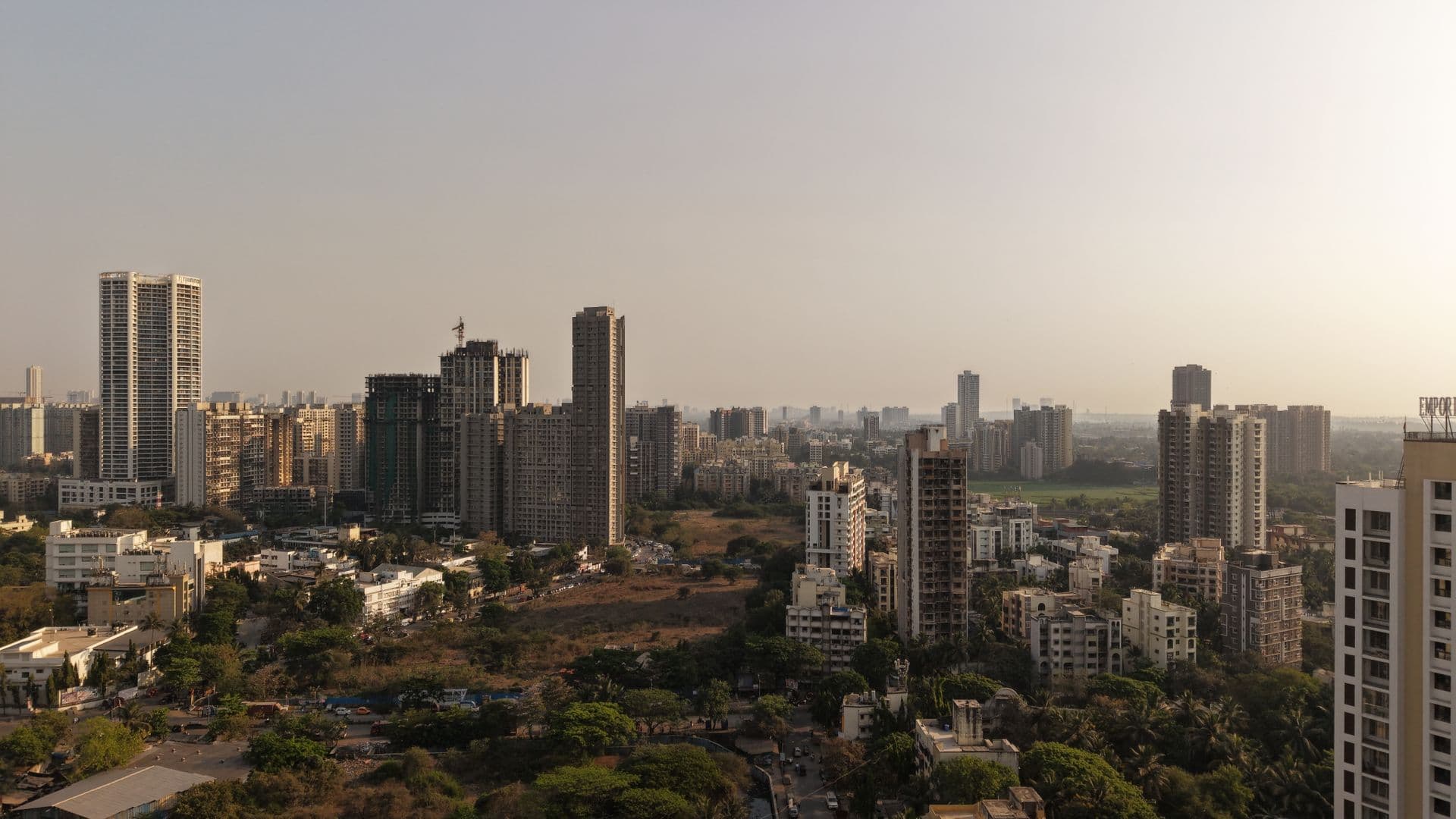
The ready reckoner rate is the government's own minimum valuation for property in an area, published annually as the Annual Statement of Rates. Stamp duty is charged on the agreement value or the reckoner value, whichever is higher. If a flat sells below the reckoner rate, duty is still calculated on the reckoner rate.
Carpet area, built up and super built up: what you are actually paying for
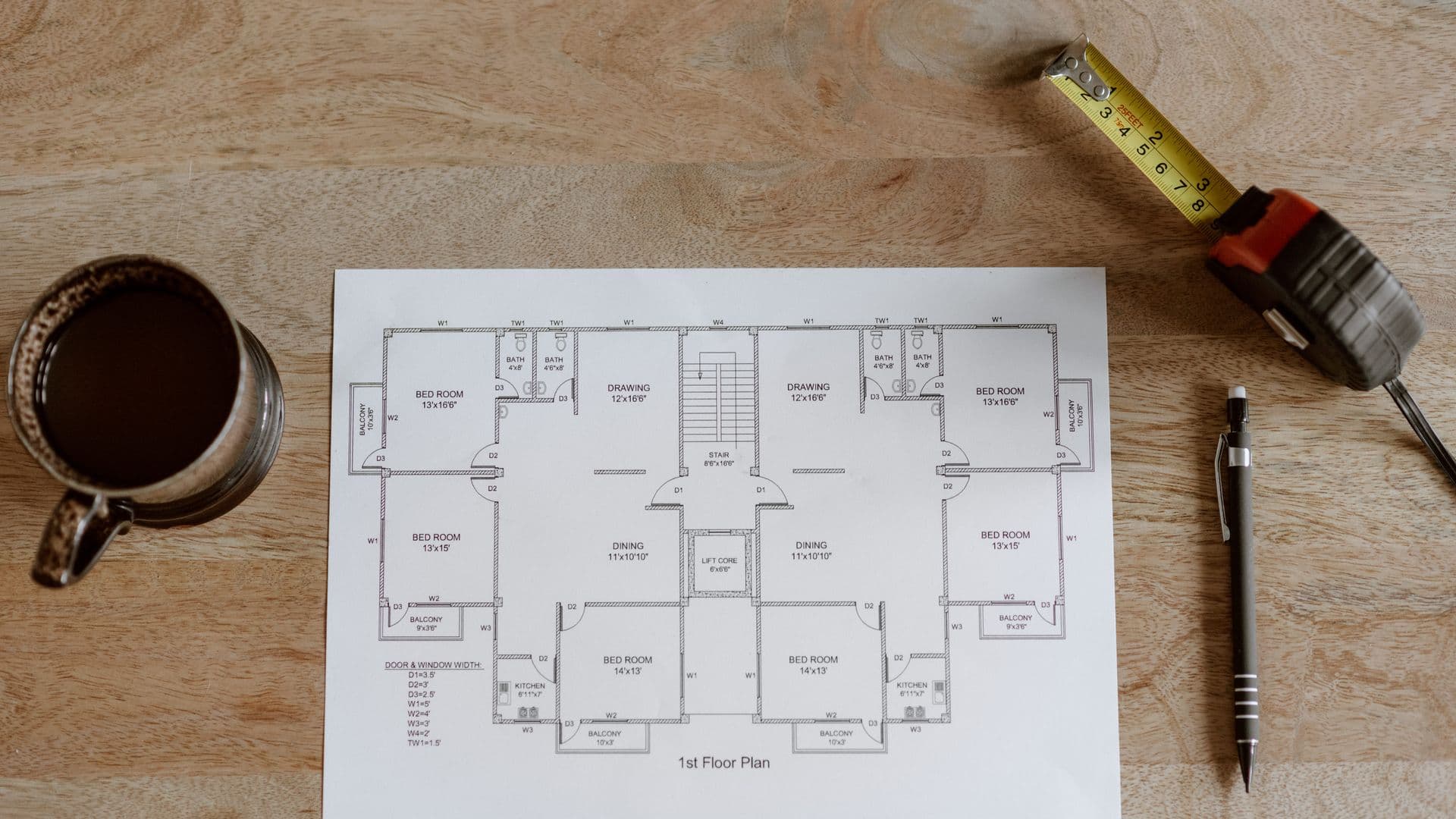
Carpet area is the net usable floor space inside a flat, including internal partition walls but excluding external walls, service shafts, balconies and open terraces. Built up adds the walls and balcony. Super built up adds your share of the lobby, lift and staircase. You pay on super built up, you live on carpet, and the gap is called loading.

Stamp duty and registration charges in Mumbai
Stamp duty in Mumbai is 6 percent of the chargeable value for a male buyer and 5 percent for a female buyer holding in her sole name, both including the 1 percent metro cess. Registration is 1 percent, capped at 30,000 rupees. Duty is charged on the agreement value or the ready reckoner value, whichever is higher.

REIT or a flat: how to invest in REITs in India, and when a flat in Borivali still makes more sense
A REIT is a listed trust that owns rent producing offices or malls and pays most of what it earns to unit holders; you buy units on the stock exchange from one unit upwards. A flat is a single asset you own outright, let yourself and sell yourself. REITs win on liquidity, diversification and small tickets. A flat wins on control, on leverage through a home loan, on the chance to add value, and on the fact that you can live in it. Most investors in the western suburbs are well served by owning some of each.

Commercial property investment: what changes when you buy a shop instead of a flat
A commercial property is let under different rules from a flat. Leases run longer, deposits are larger, the tenant usually pays the outgoings, rent above the registration threshold attracts GST, and lending is on tighter terms. The trade is a stronger income profile against a smaller pool of buyers and tenants when you want to exit.
Index 2: the one page your buyer will ask for
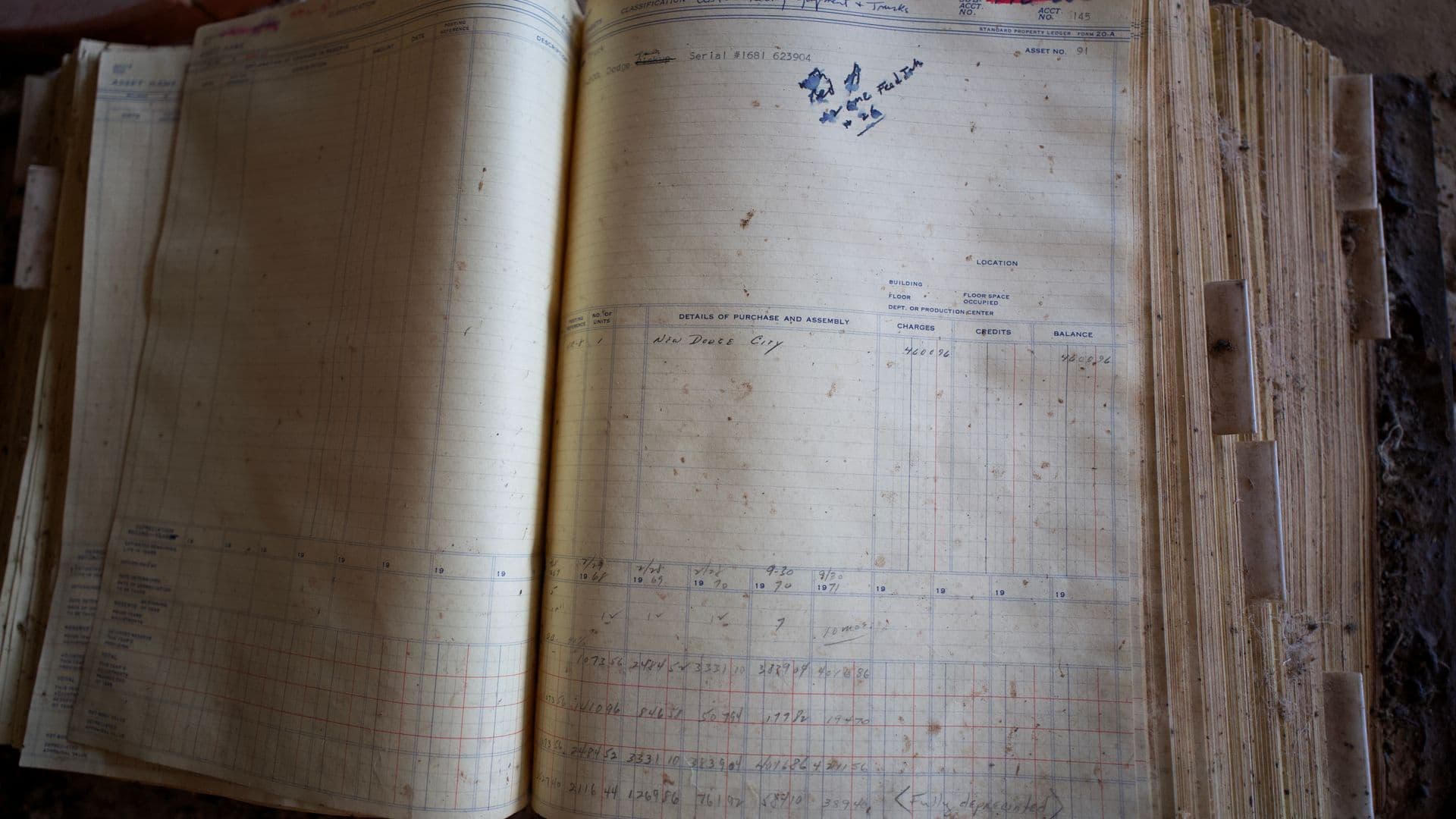
Index 2 is the one page summary the sub registrar generates when a document is registered. It records the document type, the parties, the property, the consideration and the registration details. It is proof that a transaction was registered, not proof of ownership, and it can be searched free through e-Search on the IGR Maharashtra portal.

Choosing an interior designer in Borivali: what to ask before you pay an advance
Ask for a written scope with quantities, not a lump sum. Ask what is excluded. Ask who supervises the site day to day and how often. Ask what happens if the work runs past the agreed date. The large organised firms take 10 percent to book. An advance above that before the design is frozen and the quantities are in writing is worth questioning.

How to invest in real estate in India: a first investor's guide, written from Borivali
Investing in real estate in India means choosing between four routes: buying a flat or shop to let out, buying under construction to hold, a listed REIT bought on the stock exchange, or a fractional share of a commercial building through an SM REIT. Direct property gives control and a tenant you can meet; the paper routes give liquidity and small tickets. Whichever you choose, the return comes from three things you can check before you buy: what it will actually rent for, what owning it costs, and what it takes to sell.

Rental yield in Mumbai: what the number means and why gross flatters it
Rental yield is the annual rent a property produces expressed as a percentage of what it cost. Gross yield divides a year of rent by the purchase price. Net yield subtracts society maintenance, property tax, repairs and vacancy, and adds stamp duty, registration, brokerage and fit out to the capital. Net is the figure that matters, and it is always lower than gross.

Fractional ownership of real estate in India: what SM REITs changed, and what a ten lakh share actually buys
Fractional ownership means several investors jointly own one income producing property, usually a leased office or warehouse, through a platform that manages it. Until 2024 that was an unregulated arrangement. SEBI's small and medium REIT rules, notified in March 2024, brought it under the REIT regulations: schemes of 50 to 500 crore rupees, at least 95 percent in completed and rent producing property, a minimum investment of ten lakh rupees, and listing on the stock exchange. It is a regulated way to own a slice of a specific commercial building. It is not a way to own a home.
Under construction or ready to move: which to buy in Mumbai, and how to decide it on paper
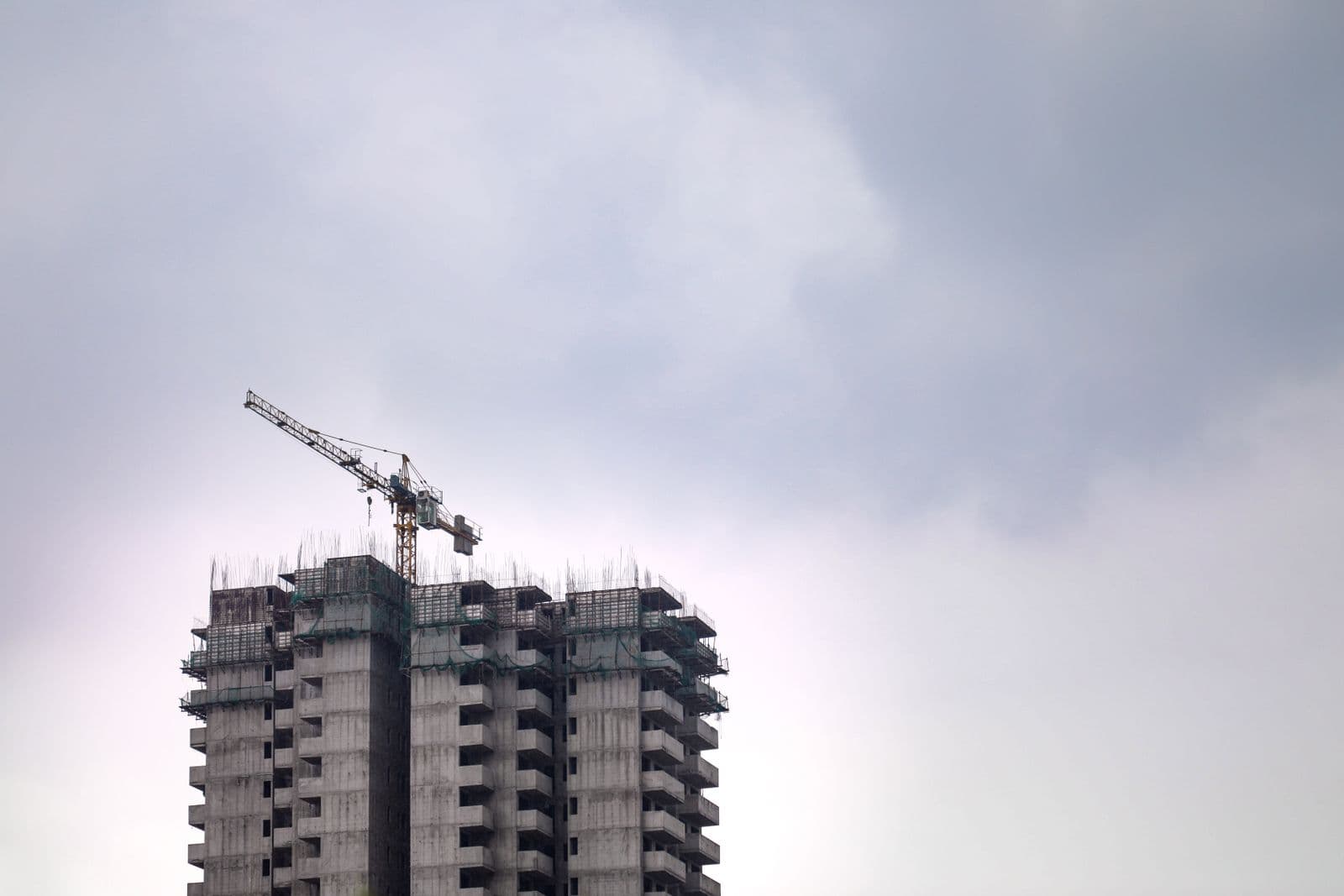
A ready to move flat earns rent or shelters you from the first month, carries no GST and can be inspected before you pay; an under construction flat is paid for in stages, carries 5 percent GST, earns nothing until possession and carries delivery risk, in exchange for a new building and the pick of floors. In Mumbai it is not reliably cheaper: in early 2025 Magicbricks found new launches priced above ready homes. Since 2017 that risk can be read on paper: the MahaRERA registration carries the declared possession date, seventy percent of buyers' money must stay in the project's construction account, and structural defects are the developer's to fix for five years. Decide on the project's file, not the brochure, and on whether you can carry two housing costs until the keys.

Can we sell a MHADA flat? The five year rule, the permissions, and what voids a sale
Yes, a MHADA flat can be sold, but only with the previous written permission of the Board and of the housing society, and only once five years have passed from allotment, the buyer falls in the same income group as the scheme, and all dues are paid. A sale without that permission can be declared invalid and the buyer evicted.
Buying a rental income property in Mumbai's western suburbs: the tenant comes first
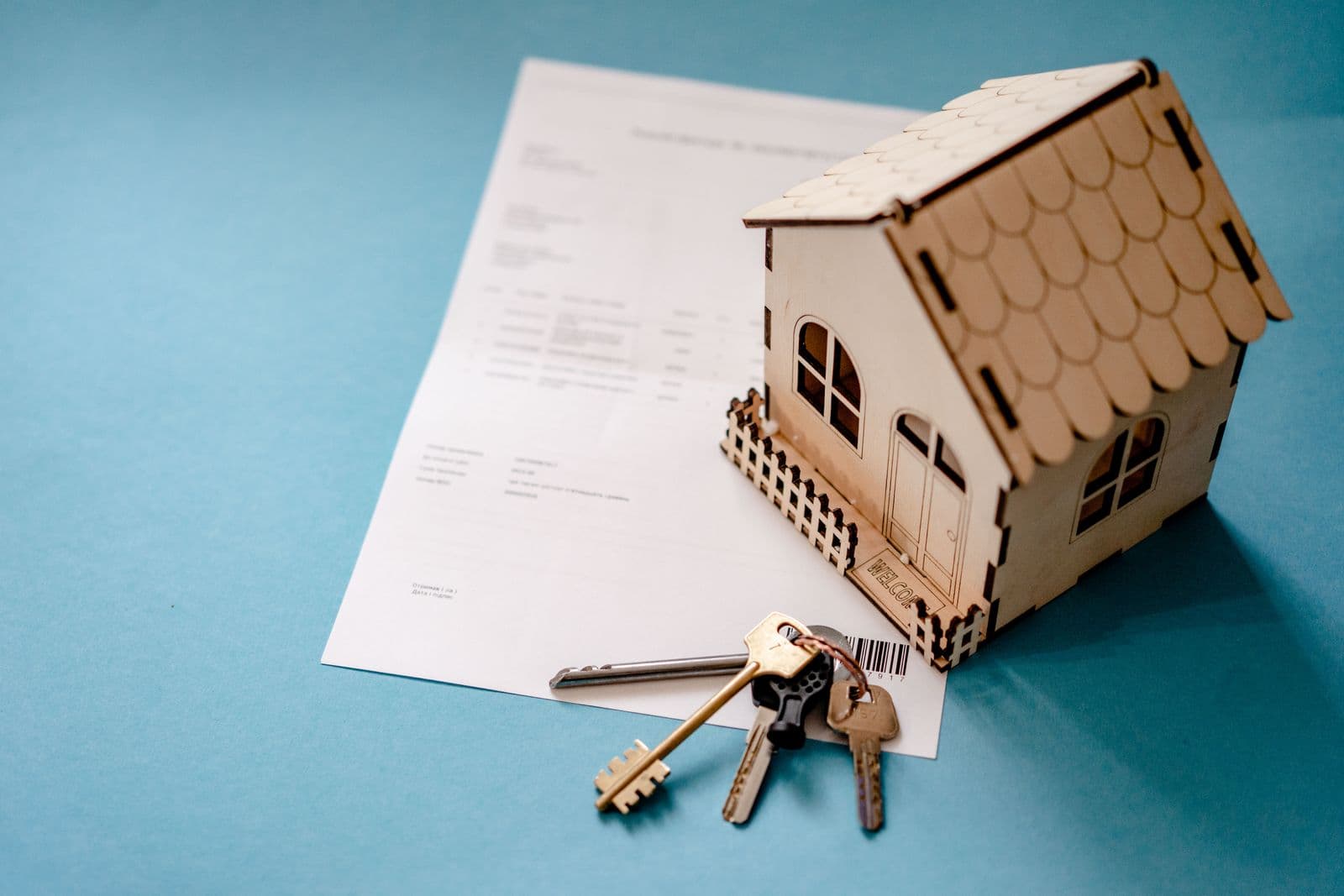
A rental income property earns what its tenant pays, less what owning it costs, on the capital you put in. In Borivali, Kandivali and Malad that means choosing the tenant before the flat: families near stations and schools in Borivali and Kandivali, the Mindspace workforce in Malad. On 2026 portal figures a 2 BHK lets for roughly 35,000 to 82,000 rupees a month across the three suburbs and gross yields run around 2.5 to 4 percent. Net is lower, the society's attitude to tenants decides how fast it lets, and a registered leave and licence agreement is the law.
MHADA redevelopment rules: what a society in a MHADA layout has to get right before a builder is chosen
A MHADA layout is redeveloped under Regulation 33(5) of Mumbai's Development Control and Promotion Regulations, 2034, which is what makes the extra floor space available. Before any of that, the society needs the Board's no objection, a clear conveyance position, and the members' consent in the form the law requires. The order matters more than the builder's offer.

How to judge whether an area is worth investing in, using the western suburbs as the example
There is no single best area to invest in Mumbai, and any article naming one is guessing. What can be judged is a specific pocket against six things: what the rent to price relationship actually is, who the tenant pool is, how liquid resale is, what the building stock is like, what is genuinely committed in infrastructure, and what the supply pipeline looks like.

Can we rent out a MHADA flat? The NOC for rent, and what it takes to get one
Yes. A MHADA flat can be let out with a no objection certificate for rent from the Mumbai Board, which is a notified service under the Maharashtra Right to Public Services Act with an eight day time limit and the Estate Manager as the designated officer. Once the NOC is in hand, the leave and licence agreement is registered like any other.

MHADA transfer procedure in case of death: who inherits the tenement and what the Board asks for
When a MHADA allottee dies, the tenancy can be transferred to a legal heir listed in section 24 of the Maharashtra Housing and Area Development Act, 1976: the husband or wife, an unmarried son or daughter, a married son and his family, a widowed daughter and her unmarried children, or the parents. The application goes to the Estate Manager with the death certificate and a heirship certificate.

How to buy a MHADA flat in resale: the checks that protect the buyer
Buying a MHADA flat in resale is buying an allotment with conditions attached. Before money moves, confirm the seller is the Board's allottee, that five years have passed from allotment, that you fall in the scheme's income group, that the Board's and the society's written permission will be obtained, and what the transfer charges and any unearned increase will cost. A sale without the Board's permission can be cancelled.

How many months of deposit is normal in the western suburbs, and when it is negotiable
In Borivali, Kandivali and Malad a deposit of two to three months' rent is the norm in newer societies, rising to four, five or six in older buildings and premium pockets. No Maharashtra law fixes the number. The two month cap people quote comes from a central model law the state has not enacted, so the deposit is a term of the agreement, and it is negotiable.